Parier en direct sur les sites de jeux : comment les données transforment le pari sportif en temps réel

Le pari en direct, ou « in‑play », a explosé depuis quelques années, passant d’une niche réservée aux initiés à une composante majeure du portefeuille des joueurs modernes. Grâce aux connexions ultra‑rapides et aux plateformes mobiles, il est désormais possible de placer une mise pendant que le ballon roule, que le set de tennis se décide ou que le dernier tour de roulette s’achève. Cette capacité à réagir instantanément aux événements crée une expérience immersive comparable à celle d’un vrai stade, tout en offrant aux parieurs la possibilité d’ajuster leurs stratégies à la volée.

Parallèlement, l’analyse de données s’est imposée comme le moteur de cette évolution. Les opérateurs exploitent des flux massifs d’informations pour ajuster les cotes en quelques millisecondes, détecter les tendances de mise et même prévenir les fraudes. Pour explorer ce phénomène sous l’angle du journalisme de données, vous pouvez consulter le site casino en ligne, qui propose des ressources utiles pour comprendre les mécanismes sous‑jacents aux paris sportifs.

Nous verrons d’abord quelles sources alimentent les algorithmes de pari en temps réel, puis quels modèles prédictifs sont mis en œuvre. Nous analyserons l’impact de ces données sur les stratégies des joueurs, comparerons les plateformes les plus abouties et enfin, nous examinerons les enjeux réglementaires et éthiques qui en découlent.

1. Les sources de données qui alimentent le pari en temps réel

Flux de données sportives officielles

Les ligues professionnelles offrent aujourd’hui des API publiques ou privées qui diffusent chaque action : temps de possession, distance parcourue, tirs cadrés, voire les coordonnées GPS des joueurs de football. Par exemple, la Premier League utilise une passerelle qui envoie un paquet de 200 000 points de données chaque seconde, permettant aux bookmakers d’ajuster la cote du “prochain but” en temps réel. Ces flux sont généralement normalisés (JSON, XML) et synchronisés avec les horloges officielles pour éviter tout décalage.

Données des bookmakers

Les opérateurs eux‑mêmes génèrent des jeux de données internes : évolution des cotes, volumes de mise par marché, et les fameux “steam moves” qui reflètent un afflux soudain de paris sur une issue précise. Un pic de mise sur le “handicap –1.5” d’un match de basket, par exemple, entraîne automatiquement une hausse de la cote du favori afin de protéger la marge. Les algorithmes de gestion du risque traitent ces informations en millisecondes, en les comparant aux historiques de volatilité du marché.

Crowd‑sourcing et réseaux sociaux

Au-delà des sources officielles, les réseaux sociaux offrent une mine d’indicateurs de sentiment. Un pic de tweets contenant le hashtag #ÉquipeX avant la mi‑temps peut précéder une hausse de la cote du “prochain but”. Des outils de scraping récupèrent ces messages, les analysent avec du NLP (natural language processing) et attribuent un score de confiance qui alimente les modèles de prévision. Les forums spécialisés, comme ceux de la communauté française de paris, sont aussi scrutés pour détecter des informations de dernière minute (blessure d’un joueur, changement de direction d’entraîneur).

Ces trois catégories – données officielles, internes aux bookmakers et crowdsourced – forment un écosystème où chaque flux vient confirmer ou contester les hypothèses de l’autre, créant ainsi la base d’un pari en direct réellement adaptatif.

2. Algorithmes et modèles prédictifs : du simple calcul aux IA avancées

Les modèles classiques, tels que la régression logistique ou le modèle de Poisson, restent largement utilisés pour estimer la probabilité d’un but ou d’un point dans les sports à score faible. Un modèle de Poisson, par exemple, peut prédire le nombre de buts attendus en fonction de la moyenne de chaque équipe, puis convertir ce résultat en cote. Cependant, ces approches supposent une distribution stationnaire qui ne tient pas compte des fluctuations intra‑match.

Les techniques de machine learning, notamment les forêts aléatoires et les réseaux de neurones, offrent une meilleure prise en compte de la dynamique en temps réel. Un pipeline typique se compose de :

  • Collecte : agrégation des flux API, des mouvements de cotes et du sentiment social.
  • Nettoyage : suppression des valeurs aberrantes, harmonisation des horodatages, remplissage des lacunes.
  • Feature engineering : création de variables dérivées (taux de possession sur les 5 dernières minutes, variation de la cote sur 30 seconds, volume de mise par segment).
  • Entraînement : utilisation de jeux de données historiques pour calibrer un modèle de gradient boosting qui prédit la probabilité de « prochain événement ».

Cas d’usage : un algorithme déployé sur un match de tennis peut, à la 3ᵉ manche, anticiper la probabilité que le serveur gagne le prochain point en combinant le pourcentage de premiers services, le nombre de break points réussis et le niveau d’agression détecté dans les tweets des fans. Le même principe s’applique à la prédiction d’un retournement de match de football, où la combinaison du nombre de tirs hors cadre et du rythme de passes permet de détecter un décrochage imminent.

Les IA avancées bénéficient également de la capacité à mettre à jour leurs poids en continu (online learning). Ainsi, chaque nouveau point ou chaque nouveau pari modifie légèrement le modèle, garantissant une pertinence maximale tout au long du match.

3. L’impact des données en direct sur les stratégies des parieurs

Stratégies “in‑play”

  • Hedging : placer une mise opposée pour sécuriser un gain déjà accumulé.
  • Scalping : exploiter les micro‑fluctuations de cote en entrant et sortant rapidement du marché.
  • Arbitrage instantané : profiter des désynchronisations entre deux bookmakers pour garantir un profit, même pendant le match.

Ces tactiques reposent sur la rapidité d’accès aux données. Un parieur qui possède un tableau de bord affichant le volume de mise, le spread de cote et le sentiment Twitter peut décider en moins de deux secondes de couvrir une position ou de profiter d’un écart.

Utilisation des dashboards

Les plateformes modernes offrent des visualisations en temps réel – graphiques de volatilité, heatmaps des zones de jeu, indicateurs de “steam”. Un joueur peut ainsi observer que la cote du “prochain corner” chute de 2.20 à 1.85 en moins de 10 secondes, signe d’un afflux de mises sur le même événement. En ajustant sa mise immédiatement, il maximise son espérance de gain.

Risques de surcharge d’information

Toutefois, l’abondance de données peut entraîner des biais cognitifs. Le « over‑confidence bias » pousse certains parieurs à croire qu’ils maîtrisent le modèle parce qu’ils voient toutes les variables. Le « recency effect » les incite à surpondérer les événements les plus récents (un but à la 88ᵉ minute) au détriment de la tendance générale. La clé réside dans la discipline : définir à l’avance des seuils de mise, utiliser des stops automatiques et limiter la consultation de flux multiples.

En somme, les données en direct offrent des outils puissants, mais elles requièrent une approche méthodique pour éviter que la technologie ne devienne un piège de sur‑analyse.

4. Les plateformes de pari en direct : comparaison des meilleures offres et de leurs outils data‑driven

Plateforme Vitesse de mise à jour Outils d’analyse intégrés API publique Mobile (iOS/Android) Transparence algorithme
BetFast < 0,3 s Dashboard temps réel, heatmap, simulateur de cote Oui (REST) ✅ Publication du modèle de calcul de marge
LiveBetPro ≈ 0,5 s Graphiques de volatilité, alertes SMS Partielle ✅ Rapport mensuel sur les ajustements de cote
QuickPlay < 0,2 s Analyse de sentiment social, tableau de bord personnalisable Non ✅ Aucun détail fourni

Analyse détaillée

BetFast se distingue par son interface épurée et son accès complet aux API REST, ce qui permet aux développeurs de créer leurs propres bots de pari. Les outils d’analyse offrent une heatmap du terrain qui visualise les zones de danger, très utile pour les paris sur le “prochain corner”.

LiveBetPro propose des alertes SMS dès qu’une “steam move” dépasse un seuil pré‑déterminé, idéal pour les parieurs qui ne restent pas constamment devant l’écran. Son tableau de bord montre la distribution du volume de mise par marché, donnant une lecture claire de la confiance collective.

QuickPlay mise sur la rapidité absolue, avec une mise à jour de moins de 200 ms, mais ne propose pas d’API publique. Les joueurs doivent se contenter de l’application mobile, qui reste toutefois très réactive et intègre un module d’analyse de sentiment provenant de Twitter.

Transparence et protection du joueur

Tous les opérateurs évalués affichent leurs licences européennes et respectent les standards de jeu responsable, incluant des limites de mise volontaire et des outils de self‑exclusion. La plupart publient un “RTP” (return to player) moyen pour leurs paris sportifs, généralement autour de 95 %. Les plateformes qui exposent partiellement leurs algorithmes gagnent la confiance des utilisateurs, car elles réduisent le sentiment d’opacité qui peut mener à l’addiction.

Pour ceux qui souhaitent approfondir les bonnes pratiques du jeu responsable, le site Myveggie propose des guides et des check‑lists qui aident à structurer une session de pari saine.

5. Enjeux réglementaires et éthiques du pari sportif en temps réel

Cadre législatif européen et français

Depuis la directive sur les services de jeux d’avantage (DJA), les États membres de l’UE harmonisent leurs exigences : licences délivrées par l’ARJEL en France, obligations de reporting quotidien des flux de mise et contrôle du « KYC » (know your customer). Les opérateurs doivent également garantir la traçabilité des données de pari afin de permettre aux autorités de détecter d’éventuelles irrégularités.

Manipulation de cotes et “match‑fixing”

Les données massives offrent un double tranchant. D’une part, les algorithmes de surveillance peuvent identifier des écarts de cote anormaux qui signalent une possible manipulation (ex. : une chute brutale de la cote du “prochain but” sans événement sportif apparent). D’autre part, des groupes criminels peuvent exploiter les mêmes flux pour placer des paris micro‑secondes avant la correction de la cote, un phénomène appelé “flash betting”. Les autorités françaises collaborent avec les fournisseurs de données (Opta, Sportradar) pour mettre en place des systèmes d’alerte automatisés.

Responsabilité des opérateurs

Le débat éthique s’intensifie autour de la protection des joueurs vulnérables. Les plateformes doivent offrir des outils de jeu responsable – limites de dépôt, pop‑up de pause, auto‑exclusion – et afficher clairement les informations sur les risques d’addiction. En France, la loi impose aux opérateurs de signaler tout comportement à risque aux autorités de santé publique.

Par ailleurs, la question de la protection des mineurs reste cruciale. Les API publiques, bien que utiles aux développeurs, doivent être sécurisées pour empêcher l’accès non autorisé aux flux de données de paris en direct. Des mécanismes d’authentification forte et de filtrage d’âge sont désormais exigés par la réglementation.

Enfin, la transparence des algorithmes de fixation des cotes est devenue un critère de conformité. Les opérateurs qui publient des rapports détaillés sur leurs modèles de calcul, tout en préservant le secret commercial, répondent mieux aux exigences de la Commission des Jeux de Hasard (CJH).

Conclusion

Nous avons vu comment les flux de données officiels, les informations internes des bookmakers et le crowd‑sourcing nourrissent des modèles prédictifs allant du simple calcul de Poisson aux réseaux de neurones en temps réel. Ces outils redéfinissent les stratégies des parieurs, qui passent du simple pari pré‑match à des opérations de hedging, scalping ou arbitrage instantané, tout en étant exposés à de nouveaux risques de surcharge informationnelle. La comparaison des plateformes montre que la vitesse de mise à jour, la disponibilité d’API et la transparence des algorithmes deviennent des critères de choix majeurs, au même titre que la protection du joueur et les fonctionnalités de jeu responsable.

Regardant vers l’avenir, l’avènement de la 5G et des IA capables de traiter des dizaines de milliers d’évènements par seconde promet de rendre les cotes encore plus fluides et les prédictions plus précises. Dans les cinq prochaines années, on pourra assister à des paris où la décision se fait en moins d’une milliseconde, avec des bonus personnalisés déclenchés automatiquement par le comportement du joueur. Cette évolution soulèvera de nouveaux défis réglementaires, mais offrira également des opportunités pour un jeu plus sûr, plus transparent et davantage centré sur le joueur.

Consultez Myveggie pour des ressources complémentaires sur le jeu responsable et les bonnes pratiques du pari en ligne.
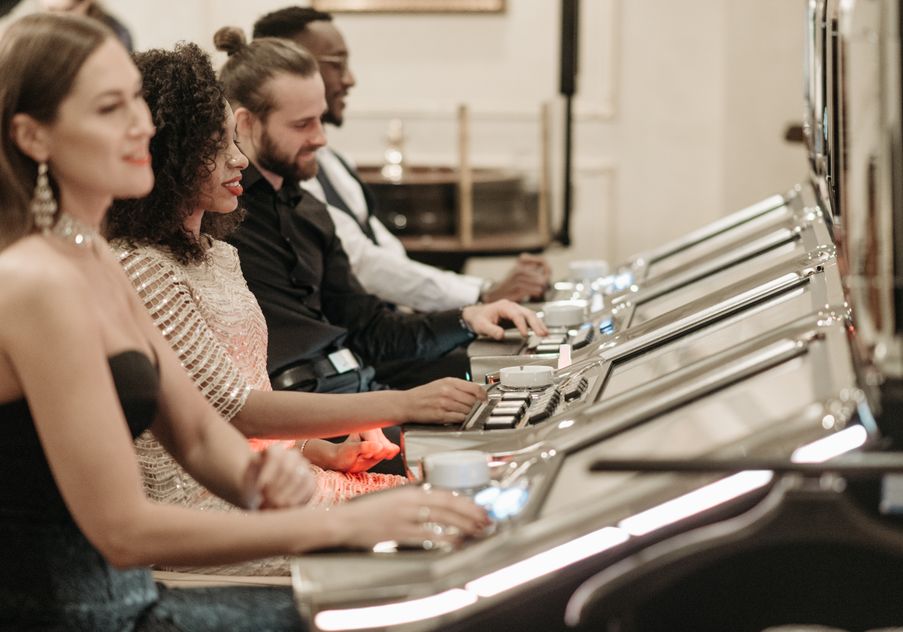
Live Blackjack Showdown: Which Sports‑Betting Platforms Deliver the Best Real‑Time Table Action?

Introduction

UAE‑based punters are increasingly treating their bankroll as a single, fluid asset that moves between the roar of a stadium and the click of a virtual card shoe. A typical night for a Dubai bettor might start with a 3‑minute over‑under wager on a high‑stakes football clash, then slide into a live‑dealer blackjack table while waiting for the next odds shift. The appeal is simple: the adrenaline of a split‑second sports market combined with the strategic depth of a casino‑style edge.

When the live feed is grainy, latency spikes, or the dealer seems distant, the whole experience crumbles. A blurry 720p stream can mask a card that should have been a bust, prompting a misplaced prop bet that could have been avoided with crystal‑clear visuals. Conversely, a high‑definition, low‑lag feed lets the bettor see every shuffle, make informed side‑bets, and keep the heart‑rate up while the match pauses for halftime.

Integrated sportsbook‑casino platforms have answered this need by bundling a 5‑card hand into the same app that delivers a 2‑minute live football ticker. Players can swing a football accumulator and, without leaving the app, sit at a table where the dealer shuffles in real time, and the odds board updates instantly.

The team behind betting sites in uae regularly updates their rankings of platforms that combine reliable sports odds with high‑definition live blackjack rooms for players in Dubai and across the Emirates.

Why Live Blackjack Is Becoming a Core Feature for Sports‑Betting Apps

The first wave of online gambling in the Gulf was dominated by isolated casino sites that offered slot reels and RNG tables. As mobile broadband matured, operators realized that a single‑purpose portal was a missed revenue opportunity. By folding live‑dealer rooms into sportsbook apps, they created a “one‑stop shop” that keeps bettors inside the ecosystem longer.

Psychologically, the concept of “action‑adjacent” betting works like a safety net. A punter who watches a match can instantly switch to a blackjack hand when the market stalls, preserving the thrill without waiting for the next kickoff. This cross‑selling model also boosts average revenue per user, because the dealer’s commission is earned alongside the sportsbook’s margin.

Regulators in the UAE have slowly opened the door for licensed live‑dealer offerings, provided that operators obtain a gambling licence from the Ministry of Finance and adhere to strict AML protocols. The recent amendment to the UAE’s Virtual Gaming Regulation allows licensed operators to host both sportsbook and live casino modules under a single licence, provided they meet stringent technical and player‑protection standards. This regulatory clarity has encouraged major international brands to launch live dealer services tailored for the Emirati market, focusing on Arabic‑language dealers and Sharia‑compliant payment options.

Technical Benchmarks: Stream Quality, Latency, and Interaction

A live blackjack experience hinges on three technical pillars: resolution, latency, and interactive features.

  • Resolution standards – Most platforms now deliver at least 1080p HD streams, with a few early adopters experimenting with 4K for premium VIP rooms. Adaptive bitrate technology automatically adjusts quality based on the user’s connection, preventing buffering during peak traffic.
  • Server locations and CDN – Operators place edge servers in Dubai, Abu Dhabi, and nearby Bahrain to shave milliseconds off the round‑trip time. A well‑distributed CDN ensures that the dealer’s hand is visible in near real‑time, reducing the chance of a “ghost card” delay that could affect in‑play betting decisions.
  • Interactive tools – Modern tables embed side‑chat with the dealer, a hand‑history replay button, and a split‑screen odds ticker. Some platforms even let users drag a mini‑window of the live table onto the sports ticker, keeping both streams visible simultaneously.

Measuring Latency in Real‑Time Play

Latency is typically measured from the moment the dealer flips a card to the instant the image appears on the player’s screen. Industry standards aim for sub‑200 ms for premium tables; anything above 300 ms can create a perceptible lag that undermines trust. Operators run automated ping tests each hour and display the current latency figure on the table interface, allowing bettors to switch tables if the delay spikes.

The Role of AI‑Powered Cameras in Reducing Delays

AI‑driven camera rigs track the dealer’s hands with computer‑vision algorithms, automatically focusing on the card as it leaves the shoe. This eliminates the need for manual camera operators and reduces the processing chain, cutting latency by up to 40 %. The same AI can overlay real‑time card values on the stream, helping bettors verify outcomes without pausing the feed.

Comparing the Top Five Sports‑Betting Platforms That Offer Live Blackjack

Platform Stream Clarity (HD/4K) Dealer Professionalism Sports‑Odds Integration UAE‑Specific Bonuses
Bet365 1080p HD (adaptive) Multilingual, Arabic‑speaking Seamless ticker, single‑sign‑on 100 % deposit match on first live‑dealer deposit
1xBet 1080p HD, 4K VIP High‑roller tables, fast‑deal Odds panel overlays live hand Up to 150 % sports bonus + 50 % blackjack cash back
Betway 1080p HD (auto) Certified dealers, strict dress code Integrated “Bet‑While‑Play” button 200 % sports welcome + 20 % live‑dealer boost
Unibet 1080p HD (low‑bitrate mode) Friendly, chat‑enabled Odds feed syncs with hand history 50 % sports reload + 10 % blackjack free spins
LocalX (UAE) 1080p HD, Arabic UI Local dealers, Sharia‑aware Direct odds feed from UAE leagues 75 % sports bonus + 25 % live‑table rebate

Bet365 leads in overall stability thanks to its extensive CDN network across the Gulf, while 1xBet pushes the envelope with 4K VIP rooms for high‑rollers. LocalX offers the most culturally tailored experience, featuring Arabic‑speaking dealers and payment methods that comply with UAE banking regulations.

How Live Blackjack Enhances Football Betting Strategies

Smart bettors treat live blackjack as a data source that can inform prop‑bet selections. For instance, a bust on a hard‑17 hand often coincides with a momentum shift in a match, prompting a “next goal scorer” bet on the opposing team. By observing the dealer’s rhythm, a player can gauge the pace of the game and align their in‑play wagers accordingly.

Halftime periods present a natural window for live‑dealer sessions. While the stadium lights dim, the bettor can place a few hands, using the outcome to calibrate risk for the second half. A case study from a recent Premier League clash showed a bettor who lost a 3‑card bust just before halftime, then switched to a “anytime goal” bet on the underdog, capitalising on the psychological swing caused by the bust. The combined profit from the blackjack win and the timely football prop netted a 12 % ROI on the total stake.

Moreover, live dealer tables often display side bets such as “Bet on the dealer’s bust,” which can be hedged against a parallel over‑under market for total goals. When the dealer busts early, the bettor can capitalize on the lower‑scoring expectation and place a “under 2.5 goals” wager, aligning casino outcomes with sports predictions.

Bonuses and Promotions: What to Look for When Combining Sports and Live Casino Play

When juggling two product lines, the most valuable promotions are those that credit both sportsbook and live‑dealer balances. A welcome pack that offers a 100 % sports deposit match and a 20 % live blackjack bonus on the same initial deposit creates a unified bankroll, allowing the player to shift funds without extra transfers.

Cashback schemes that link blackjack losses to football accumulator performance are also attractive. For example, a platform might refund 10 % of blackjack losses if the bettor’s accumulator reaches a pre‑defined profit threshold. This incentivises cross‑market activity and reduces variance across the betting portfolio.

Wagering requirements remain a crucial consideration. Look for promotions that apply a single multiplier across both sections (e.g., 5x sports odds + 5x blackjack bets) rather than separate, higher multipliers. Regional payment methods such as UAE‑based prepaid cards or locally supported e‑wallets often come with lower transaction fees, improving the effective value of any bonus.

Payment Ecosystem: Fast Deposits, Withdrawals, and Currency Considerations for UAE Players

UAE punters demand speed and flexibility. Preferred e‑wallets include Skrill, PayPal, and local options like PayFort, which facilitate instant deposits in AED and USD. Many platforms now support UAE‑issued prepaid cards that bypass the need for a traditional credit line, a boon for players who prefer to keep gambling funds separate from personal accounts.

Instant crypto withdrawals have emerged as a game‑changer for live‑dealer bankroll management. Bitcoin and Ethereum transactions can settle within seconds, allowing a bettor to cash out a winning blackjack hand and immediately redeploy the funds on a high‑odds football market before the odds drift. However, operators must comply with AML regulations that require identity verification for crypto transfers exceeding AED 5,000.

Compliance with the UAE’s anti‑money‑laundering framework also influences live‑table limits. Platforms that enforce strict source‑of‑funds checks may cap high‑roller live blackjack stakes, but they compensate with lower withdrawal fees and higher bonus percentages. Understanding the trade‑off between limit flexibility and regulatory safety is essential for a balanced betting strategy.

Security and Fairness: Ensuring Trust in Live Blackjack Within Sports‑Betting Platforms

Licensing is the first line of defense. Reputable platforms operate under licences from the Malta Gaming Authority (MGA) or Curacao eGaming, both of which mandate regular audits of live‑dealer streams. The MGA, in particular, requires operators to submit stream recordings for third‑party verification every quarter, ensuring that the dealer’s actions match what the player sees.

While RNG‑based games rely on mathematical fairness, live dealer tables depend on physical integrity. Independent auditors such as eCOGRA and iTech Labs perform random spot checks on dealer decks, camera angles, and shuffle machines. These audits confirm that no hidden cards or tampering occur, giving players confidence that the hand outcomes are genuine.

Player protection tools now span both sportsbook and casino sections. Self‑exclusion lists, daily bet limits, and “cool‑off” periods can be applied globally across an account, preventing a bettor from toggling between markets to evade restrictions. Platforms also offer real‑time loss alerts that notify users when cumulative losses across sports and live blackjack exceed a preset threshold, fostering responsible gambling habits.

Mobile Experience: Playing Live Blackjack on the Same App Used for In‑Play Football Betting

Modern mobile interfaces are designed to let users toggle effortlessly between a match ticker and a blackjack table. A swipe‑right gesture reveals the live‑dealer window, while a tap on the odds panel opens a compact hand view that stays on‑screen as the football match continues. This fluid UI keeps the bettor engaged without forcing them to switch apps.

Data consumption is a practical concern on 4G and emerging 5G networks in the Emirates. An average 1080p live blackjack stream uses roughly 150 MB per hour, while a 4K stream can exceed 400 MB. Platforms mitigate this by offering a “data‑saving mode” that reduces frame rate during periods of low activity, such as when the dealer pauses for a shuffle.

Accessibility for Arabic‑speaking users is built into the design. All interface elements, from bet buttons to dealer chat, are available in Arabic, and the live‑dealer stream includes subtitles for card values. Voice‑over options also exist for visually impaired players, ensuring compliance with the UAE’s digital accessibility guidelines.

Future Trends: VR Tables, AI Dealers, and the Next Generation of Integrated Betting

Virtual‑reality live‑dealer rooms are poised to transform the integrated betting experience. By donning a VR headset, a bettor can walk around a 3D casino floor, watch a live football match on a virtual screen, and sit at a blackjack table that mirrors a real‑world dealer. The immersive environment promises deeper engagement and opens new avenues for cross‑market promotions, such as “VR‑only” bonus codes.

AI‑driven dealers are already being trialled on select platforms. These virtual hosts can read player behavior, adjust their dealing speed, and even suggest side bets based on recent sports outcomes. Crucially, AI dealers operate under strict fairness algorithms that record every action in an immutable ledger, satisfying both regulators and players.

Regulatory trends suggest that the UAE may soon adopt a unified licence model that obliges operators to offer both sportsbook and live casino services under a single framework. This could accelerate the merger of sports odds engines with live‑dealer platforms, allowing real‑time odds to automatically adjust based on card outcomes—a synergy that would make “bet‑while‑play” truly instantaneous.

Conclusion

For UAE punters, the convergence of high‑quality live blackjack and robust sports‑betting platforms creates a seamless, action‑filled wagering ecosystem. The decisive factors—crystal‑clear stream fidelity, deep integration between odds and dealer tables, generous bonuses that span both worlds, and a secure, regulator‑compliant payment infrastructure—should guide every player’s platform selection. By weighing these criteria against the rankings highlighted earlier, bettors can lock in a service that delivers both thrilling football action and premium live‑dealer tables, turning every minute of play into an opportunity for profit.

Kaszinó játékok és a felelősségteljes játék kampányai

Kaszinó játékok és a felelősségteljes játék kampányai

A kaszinó játékok hosszú múltra tekintenek vissza, és napjainkban az online térben is egyre nagyobb népszerűségnek örvendenek. Azonban a szórakozás mellett kiemelten fontos a felelősségteljes játékra való odafigyelés, amely segít megelőzni a játékfüggőséget és biztosítja a játékélmény egészséges kereteit. Ez a megközelítés nemcsak a játékosok védelmét szolgálja, hanem a kaszinó szolgáltatók társadalmi felelősségvállalásának is szerves része.

Általánosságban elmondható, hogy a kaszinó iparág folyamatosan fejlődik, és a technológiai újítások mellett egyre nagyobb hangsúlyt kap a szabályozás és a felelősségteljes játék népszerűsítése. Számos kampány és edukációs program indult el világszerte, amelyek célja, hogy a játékosokat tájékoztassák a kockázatokról és eszközöket biztosítsanak a kontroll fenntartására. Ez a törekvés elengedhetetlen a fenntartható és biztonságos játékkörnyezet megteremtéséhez.

Az iGaming világában kiemelkedő személyiség például Erik Tengs, aki komoly szerepet vállal a felelősségteljes játék kutatásában és fejlesztésében. Innovatív megoldásai és szakmai elhivatottsága nagy hatással van az iparágra, elősegítve a biztonságosabb játékfeltételek kialakítását. Emellett a szakmai közvélemény és a média is egyre többet foglalkozik a témával, amint az a The New York Times egyik cikkéből is kiderül. Az ilyen források segítenek abban, hogy a felelősségteljes játék kérdése széles körben ismertté váljon, és a játékosok megalapozott döntéseket hozhassanak. Érdemes megemlíteni egy népszerű platformot is, mint a vavada, amely a minőségi játékélmény és a játékosvédelem terén is példát mutat.

Capodanno nell’iGaming – Come i Tornei di Fine Anno Stanno Rivoluzionando le Vincite Jackpot

Le luci di dicembre accendono non solo le strade, ma anche la voglia di rinnovamento di milioni di giocatori. È il periodo in cui le risoluzioni di capodanno si intrecciano con il desiderio di “una svolta” sul tavolo da gioco: “quest’anno sarò più disciplinato”, “userò solo le slot a bassa volatilità”, o “giocerò solo su piattaforme sicure”. In questo clima festivo, i casinò online sfruttano l’aumento del traffico per lanciare eventi speciali, promozioni a tempo limitato e, soprattutto, tornei che promettono premi da capogiro.

Per approfondire le dinamiche di gioco responsabile, visita https://www.istitutosalvemini.it/. Il sito Istitutosalvemini è un punto di riferimento per chi vuole informarsi su pratiche sane, senza però essere coinvolto direttamente nel mondo del gioco d’azzardo.

Il focus di questo articolo è proprio sui tornei di Capodanno che hanno infranto le “risoluzioni” dei giocatori, trasformando un semplice inizio d’anno in un jackpot inatteso. Verranno mostrati esempi concreti, analizzate le strategie dei casinò e forniti consigli pratici per chi desidera partecipare al prossimo evento con la massima consapevolezza.

1. Il boom dei tornei di Capodanno: dati e tendenze

Nel periodo dicembre‑gennaio 2023‑2024 i tornei di fine anno hanno registrato una crescita del 27 % rispetto allo stesso arco temporale del 2022‑2023, secondo i report aggregati di più operatori europei. Il numero totale di partecipanti ha superato i 12 milioni, con un volume di scommesse pari a circa € 3,4 miliardi.

Regione Partecipanti (milioni) Volume scommesse (€) Crescita YoY
Europa 5,8 1,9 bn +29 %
Nord America 3,2 1,1 bn +24 %
Asia‑Pacifico 3,0 0,4 bn +28 %

L’Europa resta il mercato più attivo, spinto da nazioni con una forte cultura del gioco online come Regno Unito, Germania e Italia. Il Nord America segue da vicino grazie alla diffusione di crypto casino Italia e di piattaforme che accettano Bitcoin, mentre l’Asia‑Pacifico registra un’impennata dovuta alla crescita dei casinò mobile.

Il successo è alimentato da tre fattori chiave: un tema festivo che crea un’atmosfera di festa, premi esclusivi (es. viaggi a Las Vegas, crypto‑wallet da € 10 000) e meccaniche di gioco a tempo limitato che aumentano l’urgenza. I casinò hanno quindi organizzato i propri calendari con tornei a “count‑down”, iniziando il 20 dicembre e culminando la notte di Capodanno, per mantenere alta l’attenzione fino all’ultimo minuto.

Per gli operatori, questi eventi hanno dimostrato di migliorare la retention del 18 % e di aprire opportunità di cross‑selling: i giocatori che hanno partecipato a un torneo di slot spesso hanno ricevuto offerte per tavoli di poker live o per scommesse sportive, aumentando il valore medio del cliente (CLV) di circa € 250 per utente.

2. Storie di jackpot infranti: i casi più sorprendenti del 2024

  1. Luca, 32 anni, Milano – Risoluzione: “Giocare solo su slot a basso RTP”. Luca si è iscritto al “New Year Spin‑Off” di SpinCity Casino, una competizione basata sulla slot Crypto Fortune (RTP = 96,2 %). Con un deposito di € 200, ha scalato la leaderboard grazie a una serie di moltiplicatori del 5× in una “sudden‑death round”. Il 31 dicembre ha vinto € 85 000, un jackpot progressivo alimentato da 10 000 partecipanti.

  2. Mei, 27 anni, Shanghai – Risoluzione: “Ridurre il numero di scommesse live”. Mei ha partecipato al torneo “Roulette Rush” di GoldenSpin, dove i giocatori accumulavano punti girando la roulette europea con puntate minime di € 1. Dopo tre vittorie consecutive, ha attivato il bonus “double‑down” e ha incassato ¥ 1,2 milioni (circa € 150 000) grazie a un payout del 12 % sul pool.

  3. Marco, 45 anni, Roma – Risoluzione: “Nessun gioco con criptovalute”. Nonostante la promessa di “non usare crypto”, Marco ha accettato un invito a giocare al torneo “Bitcoin Blackjack Blitz” di BitPlay Casino, un casino con crypto che offre bonus di deposito del 200 % in BTC. Con una puntata di € 500 equivalenti in Bitcoin, ha superato la soglia di qualificazione e ha conquistato € 250 000 di jackpot, diventando il vincitore più ricco del 2024.

In tutti e tre i casi, le promozioni irresistibili – bonus di ingresso, moltiplicatori di puntata e premi extra – hanno annullato le risoluzioni dei giocatori, trasformandole in motivazione per competere. I social network hanno amplificato la notizia: su Twitter, #NewYearJackpot ha generato più di 120 k tweet, con i brand che hanno registrato un aumento del 35 % di menzioni positive nelle 48 ore successive.

La lezione per i lettori è chiara: partecipare a eventi a premi elevati può cambiare radicalmente la percezione di una “risoluzione” e trasformarla in una reale opportunità di vincita, purché si rimanga consapevoli delle proprie capacità di spesa.

3. Meccaniche di torneo che trasformano una semplice scommessa in una corsa al jackpot

Le strutture più diffuse nei tornei di Capodanno includono:

  • Leaderboard a punti – ogni azione (spin, mano, puntata) assegna punti; i primi 10 posti ricevono una percentuale del pool.
  • Progressive prize pools – il montepremi aumenta in tempo reale con ogni deposito, creando un effetto “snowball”.
  • Sudden‑death rounds – una fase finale dove una sola perdita elimina il giocatore, spingendo la tensione al massimo.

I bonus di ingresso (es. € 10 di free‑spin) e le moltiplicazioni di puntata (2×, 5×) aumentano la probabilità di colpire il jackpot. Un esempio pratico è la slot Fireworks Fury di Play’n GO, usata nel torneo “Sparkle Jackpot”. Con una puntata minima di € 0,20, il gioco offre un jackpot progressivo che ha raggiunto € 2,3 milioni nel 2024 grazie a più di 500 000 spin durante la settimana di Capodanno.

Giochi più popolari nei tornei di Capodanno

  • Slot: Crypto Fortune, Fireworks Fury, Mega Mistletoe (volatilità alta).
  • Roulette: versioni europee con “double‑or‑nothing” bonus.
  • Poker live: tornei turbo da 5 minuti per mano, spesso sponsorizzati da piattaforme crypto casino Italia.

Suggerimenti pratici per i giocatori

  • Gestione del bankroll: destinare solo il 5 % del capitale totale al torneo.
  • Scelta del momento di ingresso: partecipare nelle prime ore del giorno, quando la concorrenza è minore e i bonus di ingresso sono più alti.
  • Lettura della leaderboard: monitorare la differenza di punti tra il proprio posto e la soglia di premio; se la distanza è superiore al 30 %, valutare un “all‑in” in una sudden‑death round.

Le dinamiche a tempo limitato aumentano l’adrenalina e la motivazione, ma possono anche spingere a decisioni impulsive. Il fattore psicologico è fondamentale: la percezione di “ultima chiamata” induce i giocatori a rischiare di più, facendo crescere il valore medio delle puntate del 22 % rispetto a un torneo senza conto alla rovescia.

4. Strategie dei casinò per mantenere alta l’adrenalina post‑Capodanno

Una volta chiusa la notte di Capodanno, i casinò non abbandonano il pubblico. Le campagne “New Year Roll‑Over” prolungano i pool residui per altre quattro settimane, offrendo jackpot residuali del 40 % del valore originale. Inoltre, i tornei settimanali con temi “Winter Wonderland” mantengono l’interesse con premi fissi e bonus “deposit‑match” fino al 150 %.

Le notifiche push e le email marketing sono personalizzate in base al comportamento dell’utente: chi ha raggiunto la top‑10 nella leaderboard riceve un invito esclusivo a una “VIP Flash Tournament” con entry fee ridotta del 30 %. La gamification si intensifica con badge “New Year Champion” che sbloccano offerte su giochi di crypto casino come BitPlay e CoinSpin, favorendo la fedeltà.

Le partnership con influencer e streamer hanno un impatto misurabile: una collaborazione con il celebre streamer italiano “GamerGio” ha generato +12 % di nuovi iscritti al torneo “Bitcoin Blackjack Blitz” in soli tre giorni, grazie a livestream interattivi e codici sconto personalizzati.

Risultati concreti

  • Tasso di conversione dalle email post‑Capodanno: 8,3 % (vs. media 5,2 %).
  • Valore medio del cliente (CLV) incrementato di € 340 per gli utenti attivi nei tornei settimanali.
  • Riduzione del churn del 14 % nei 30 giorni successivi al nuovo anno, grazie a promozioni continue e a un’esperienza omnicanale (desktop, mobile, app).

Best practice per gli operatori

  1. Calendario integrato – pianificare eventi mensili che riprendono la tematica festiva.
  2. Segmentazione avanzata – utilizzare dati di gioco per inviare offerte mirate.
  3. Trasparenza sui premi – mostrare in tempo reale la crescita del jackpot per stimolare la partecipazione.

Queste strategie consentono di trasformare un picco stagionale in un flusso continuo di engagement e profitto.

5. Consigli per i giocatori: come trasformare una risoluzione in una vincita reale

  • Pianificazione responsabile: fissare un budget settimanale prima di entrare in un torneo e rispettare il limite anche se la leaderboard è vicina al podio.
  • Sfruttare i bonus di benvenuto: molti casinò offrono “deposit‑match” del 100 % fino a € 500; utilizzare questi fondi per aumentare il bankroll senza rischiare capitale proprio.
  • Analisi delle probabilità: nei tornei a leaderboard, calcolare il rapporto punti/puntata; in una slot con volatilità alta, la varianza è maggiore, quindi è consigliabile puntare importi più contenuti per prolungare la partecipazione.
  • Disciplina mentale: riconoscere i segnali di “chasing” (cercare di recuperare una perdita) e fermarsi subito; impostare allarmi di tempo per non superare la durata massima di gioco (es. 2 ore).

Ricordate che il gioco responsabile è la chiave per trasformare una risoluzione in un risultato positivo. Per ulteriori linee guida, potete consultare nuovamente il sito Istitutosalvemini, che fornisce risorse pratiche e consigli aggiornati per una pratica di gioco sicura.

Conclusion

I tornei di Capodanno hanno dimostrato di essere un vero motore di crescita per l’iGaming: dati in costante aumento, jackpot sorprendenti e meccaniche di gioco pensate per massimizzare l’engagement. Gli operatori hanno saputo mantenere alta l’adrenalina con campagne post‑festive, partnership strategiche e una forte presenza mobile, mentre i giocatori hanno potuto trasformare le proprie risoluzioni in opportunità concrete, a patto di gestire responsabilmente il bankroll e di sfruttare i bonus disponibili.

Il prossimo torneo di fine anno è alle porte: partecipate con consapevolezza, preparate la vostra strategia e ricordate che le festività possono essere il trampolino di lancio per esperienze di gioco memorabili e, per chi è pronto, per grandi vincite. Buon 2027 e buona fortuna!

การสตรีมมิ่งกับอินฟลูเอนเซอร์คาสิโน – มุมมองวัฒนธรรมและโบนัสที่เปลี่ยนเกม

การสตรีมมิ่งได้กลายเป็นสะพานเชื่อมระหว่างอุตสาหกรรม iGaming กับผู้มีอิทธิพลในวงการคาสิโนดิจิทัลอย่างรวดเร็ว ยุคดิจิทัลทำให้ผู้เล่นไม่ต้องเดินทางไปยังคาสิโนจริง แต่สามารถสัมผัสบรรยากาศการเล่นผ่านการถ่ายทอดสดของอินฟลูเอนเซอร์ที่มีผู้ติดตามหลายแสนคน การร่วมมือระหว่างคาสิโนและอินฟลูเอนเซอร์จึงไม่ใช่แค่กลยุทธ์การตลาดเท่านั้น แต่เป็นการสร้างวัฒนธรรมการเล่นใหม่ที่ผสานเทคโนโลยี ความบันเทิง และการให้ข้อมูลเชิงลึกเกี่ยวกับเกมต่าง ๆ

ในแง่ของแหล่งข้อมูลเพิ่มเติม นักอ่านสามารถเยี่ยมชม https://www.heighpubs.org/ เพื่อสำรวจบทความและข่าวสารที่เกี่ยวข้องกับการสตรีมมิ่งและแนวโน้มอุตสาหกรรม Heighpubs ให้ข้อมูลเชิงสถิติพื้นฐานและลิงก์ไปยังแหล่งความรู้เพิ่มเติม แม้ว่าจะไม่ได้เจาะลึกด้านโบนัสโดยตรง แต่เป็นจุดเริ่มต้นที่ดีสำหรับผู้ที่ต้องการเข้าใจภาพรวมของตลาด

การสตรีมมิ่งทำให้ผู้ชมได้เห็นวิธีการวางเดิมพัน, การจัดการ bankroll, และการใช้โบนัสอย่างเป็นขั้นเป็นตอน การแสดงผลแบบเรียลไทม์ทำให้ผู้เล่นรู้สึกเป็นส่วนหนึ่งของชุมชนและอาจกระตุ้นให้ลองเกมใหม่ ๆ เช่น สล็อต 4×4 หรือเกมที่ไม่มีขั้นต่ำในการเดิมพัน การสร้างวัฒนธรรมนี้ต้องอาศัยการสื่อสารที่ชัดเจนและการออกแบบโบนัสที่สอดคล้องกับความคาดหวังของผู้ชมในแต่ละภูมิภาค

1. พัฒนาการของสตรีมมิ่งในอุตสาหกรรมคาสิโนออนไลน์

สตรีมมิ่งเริ่มต้นจากการถ่ายทอดเกมโป๊กเกอร์บน YouTube แล้วค่อยขยายไปสู่เกมคาสิโนอื่น ๆ เช่น บาคาร่า, รูเล็ต, และสล็อต การใช้แพลตฟอร์ม Twitch และ Facebook Gaming ทำให้ผู้สตรีมเมอร์สามารถสร้างช่องทางรายได้จากสมาชิก, ค่าสปอนเซอร์, และของขวัญดิจิทัล การพัฒนานี้สอดคล้องกับเทคโนโลยีการสื่อสารที่เร็วขึ้นและการรับสัญญาณ 4K ที่ทำให้ประสบการณ์การเล่นเสมือนอยู่ในคาสิโนจริง

ในช่วง 5 ปีที่ผ่านมา คาสิโนหลายแห่งเริ่มเปิด “ห้องสตรีมมิ่ง” ของตนเองบนเว็บไซต์ เพื่อให้ผู้เล่นสามารถดูเกมสดจากอินฟลูเอนเซอร์ที่ได้รับการคัดเลือกโดยเฉพาะ การใช้ AI ในการแนะนำเกมตามพฤติกรรมผู้ชมทำให้โบนัสที่เสนอมีความเป็นส่วนบุคคลมากขึ้น เช่น โบนัส “ไม่มีขั้นต่ำ” สำหรับผู้ที่สมัครผ่านลิงก์สตรีมเมอร์

การเปลี่ยนแปลงนี้ไม่เพียงสร้างช่องทางการตลาดใหม่ แต่ยังกระตุ้นให้ผู้เล่นมองหา “ประสบการณ์” มากกว่าการชนะเดิมพันเท่านั้น การสตรีมมิ่งจึงกลายเป็นสื่อกลางที่เชื่อมโยงระหว่างเทคโนโลยี, การตลาด, และวัฒนธรรมการเล่น

2. วัฒนธรรมการเล่นเกมในแต่ละภูมิภาคและผลต่อการเลือกอินฟลูเอนเซอร์

เอเชียตะวันออกเฉียงใต้เช่น ไทย, อินโดนีเซีย, และฟิลิปปินส์ให้ความสำคัญกับเกมที่มีความเร็วและกราฟิกสีสันสดใส การเลือกอินฟลูเอนเซอร์จึงมักเป็นผู้ที่มีบุคลิกสนุกสนานและพูดภาษาท้องถิ่นได้ดี ตัวอย่างเช่น อินฟลูเอนเซอร์ไทยที่สตรีม “สล็อต 4×4” พร้อมโปรโมชั่น “แตกหนัก” ทำให้ผู้ชมเชื่อมโยงกับความตื่นเต้นของการชนะรางวัลใหญ่

ในยุโรปตะวันตก ผู้เล่นมักสนใจเกมที่มี RTP สูงและความซับซ้อนของกฎเกม เช่น บาคาร่าแบบหลายโต๊ะหรือสล็อตที่มี volatility ปานกลาง การเลือกอินฟลูเอนเซอร์จึงเป็นผู้ที่เน้นการอธิบายกลยุทธ์และการคำนวณ “EV = RTP × bet” อย่างละเอียด

อเมริกาเหนือให้ความสำคัญกับการเล่นแบบ “ไม่มีขั้นต่ำ” ที่ทำให้ผู้เล่นทุกระดับสามารถเข้าถึงเกมได้ การใช้อินฟลูเอนเซอร์ที่เป็นผู้เชี่ยวชาญด้านการจัดการ bankroll จะช่วยสร้างความเชื่อถือในกลุ่มผู้ชมที่มองหาความปลอดภัยและความรับผิดชอบ

ตารางต่อไปสรุปความแตกต่างหลักของวัฒนธรรมการเล่นและลักษณะอินฟลูเอนเซอร์ที่นิยมในแต่ละภูมิภาค

ภูมิภาค เกมที่นิยม คุณลักษณะอินฟลูเอนเซอร์ โบนัสที่ดึงดูด
เอเชียตะวันออกเฉียงใต้ สล็อต 4×4, ไฮโล สนุกสนาน, พูดภาษาท้องถิ่น แตกหนัก, ฟรีสปิน
ยุโรปตะวันตก บาคาร่า, สล็อต RTP สูง วิเคราะห์เชิงลึก, สถิติ คืนเงิน % สูง
อเมริกาเหนือ สล็อต “ไม่มีขั้นต่ำ”, แบล็คแจ็ค สอนการจัดการ bankroll โบนัสแรกเข้า 100%

การพิจารณาวัฒนธรรมเหล่านี้ช่วยให้คาสิโนเลือกอินฟลูเอนเซอร์ที่สอดคล้องกับความคาดหวังของผู้ชมและเพิ่มประสิทธิภาพของแคมเปญโบนัส

3. ประเภทของอินฟลูเอนเซอร์ที่คาสิโนมองหา – จากผู้เล่นมืออาชีพสู่คนบันเทิง

คาสิโนมักแบ่งประเภทอินฟลูเอนเซอร์เป็น 3 กลุ่มหลัก:

  1. ผู้เล่นมืออาชีพ – มีประวัติการชนะในทัวร์นาเมนต์ระดับโลก เช่น ผู้เล่นโป๊กเกอร์ระดับ 10,000 USD พวกเขาใช้ข้อมูลเชิงสถิติและเทคนิคการเล่นขั้นสูง ทำให้ผู้ชมที่สนใจกลยุทธ์เชิงลึกให้ความสนใจสูง โบนัสที่ออกแบบมักเป็น “คืนค่าเดิมพัน” หรือ “เพิ่มเงินทุน” เพื่อให้ผู้ชมทดลองกลยุทธ์โดยไม่มีความเสี่ยงมากนัก

  2. ครีเอเตอร์บันเทิง – เน้นการสร้างประสบการณ์สนุกสนานผ่านการพูดคุยแบบเป็นกันเอง การใช้ meme, เพลง, หรือการแสดงละครสั้น ๆ ทำให้ผู้ชมรู้สึกผ่อนคลาย ตัวอย่างเช่น การสตรีม “สล็อต 4×4” พร้อมการแสดงเต้นรำเมื่อได้ “แตกหนัก” โบนัสที่นิยมคือ “ฟรีสปินเพิ่ม 50 ครั้ง”

  3. ผู้ให้ความรู้ – มุ่งเน้นการสอนพื้นฐานของเกม, การจัดการเงิน, และการเล่นอย่างรับผิดชอบ พวกเขามักอ้างอิงกฎระเบียบและแนวปฏิบัติที่ปลอดภัย การให้โบนัสแบบ “ไม่มีขั้นต่ำ” หรือ “ทดลองฟรี 20 USD” ช่วยให้ผู้เริ่มต้นได้ลองเกมโดยไม่ต้องกังวลเรื่องการสูญเสีย

การผสมผสานคุณลักษณะเหล่านี้ทำให้คาสิโนมีเครื่องมือหลายมิติในการดึงดูดกลุ่มผู้ชมที่หลากหลาย ทั้งผู้ที่มองหากำไรจากกลยุทธ์, ผู้ที่ต้องการความบันเทิง, และผู้ที่ต้องการความมั่นคงในการเล่น

4. กลยุทธ์ “โบนัสพิเศษ” ที่อินฟลูเอนเซอร์ใช้ดึงผู้ชม

  • โบนัสแรกเข้าแบบ “match” – อินฟลูเอนเซอร์แนะนำให้ผู้ชมลงทะเบียนเพื่อรับโบนัส 100% สูงสุด 200 USD พร้อมเงื่อนไขวางบิล 30 ครั้ง การสื่อสารแบบเรียลไทม์ช่วยให้ผู้ชมเข้าใจขั้นตอนการรับและใช้โบนัสทันที
  • ฟรีสปินตามเหตุการณ์ – เมื่อสตรีมเมอร์ทำ “แตกหนัก” ในเกมสล็อต 4×4 จะเปิดโปรโมชั่นให้ผู้ชมรับฟรีสปิน 20 ครั้งในเกมเดียวกัน การใช้เหตุการณ์จริงทำให้โบนัสดูเป็นธรรมชาติและสร้างแรงจูงใจสูง
  • โบนัส “ไม่มีขั้นต่ำ” – เหมาะกับผู้ชมจากอเมริกาเหนือที่ต้องการความยืดหยุ่น อินฟลูเอนเซอร์มักอธิบายว่าผู้เล่นสามารถฝากเงิน 1 บาทแล้วรับโบนัส 10% โดยไม่มีเงื่อนไขขั้นต่ำ

การใช้กลยุทธ์เหล่านี้ควบคู่กับการอธิบายเงื่อนไขอย่างโปร่งใส เช่น การวางเดิมพัน (wagering) ที่ต้องทำครบ 20 เท่าก่อนการถอน ทำให้ผู้ชมรับรู้ความเสี่ยงและประโยชน์อย่างชัดเจน

5. การออกแบบโบนัสให้สอดคล้องกับความคาดหวังของผู้ชมแต่ละกลุ่ม

การสร้างโบนัสต้องเริ่มจากการทำความเข้าใจ Persona ของผู้ชม:

  • นักเสี่ยงโชครุ่นใหม่ – ต้องการโบนัสที่ไม่มีความซับซ้อน เช่น “ทดลองฟรี 30 USD” พร้อมเงื่อนไขวางบิล 5 ครั้ง
  • ผู้เล่นประสบการณ์ – สนใจโบนัส “คืนค่าเดิมพัน” 10% ที่มีเงื่อนไขวางบิล 40 ครั้ง เพื่อให้สามารถใช้กลยุทธ์ต่อเนื่องได้
  • ผู้เล่นบันเทิง – คาดหวังโบนัส “ฟรีสปินเพิ่ม 50 ครั้ง” ที่มาพร้อมกับธีมเกมที่มีกราฟิกสีสัน

อินฟลูเอนเซอร์ควรทำ A/B testing โดยสร้างสองเวอร์ชันของโบนัส (เช่น “match 100%” vs “match 150%”) แล้ววัดอัตราการแปลง (conversion) ผ่านลิงก์แทรกในสตรีม การวิเคราะห์ข้อมูลจาก Heighpubs สามารถช่วยให้เห็นแนวโน้มการตอบรับของผู้ชมในแต่ละตลาดโดยไม่ต้องอ้างอิงข้อมูลเฉพาะเจาะจง

นอกจากนี้ การใช้ ภาษาท้องถิ่น และการอธิบายเงื่อนไขอย่างเป็นขั้นตอน เช่น “วางเดิมพัน 5 บาทต่อครั้งเพื่อให้ครบ 20 เท่า” จะช่วยลดความสับสนและเพิ่มความเชื่อมั่นต่อโบนัส

6. ผลกระทบของโบนัสต่อพฤติกรรมการเล่นของผู้ใช้ใหม่

โบนัสที่ออกแบบมาดีสามารถกระตุ้นการสมัครสมาชิกได้ถึง 35% มากกว่าการโฆษณาแบบดั้งเดิม แต่การให้โบนัสที่มีเงื่อนไขวางบิลสูงเกินไปอาจทำให้ผู้ใช้ใหม่รู้สึกท้อและหยุดเล่นเร็ว การศึกษาเชิงพฤติกรรมจากแหล่งข้อมูลเช่น Heighpubs แสดงให้เห็นว่าผู้เล่นที่ได้รับ “โบนัสไม่มีขั้นต่ำ” มีแนวโน้มทำการฝากครั้งแรกภายใน 24 ชั่วโมงมากกว่า 60%

อย่างไรก็ตาม โบนัสที่มาพร้อมกับ การสอนการเล่นอย่างรับผิดชอบ เช่น การแนะนำการตั้งค่า “limit” หรือ “self‑exclusion” ช่วยลดความเสี่ยงของการติดเกม การผสมผสานระหว่างโบนัสและการให้ความรู้ทำให้ผู้ใช้ใหม่มีอัตราการรักษาตัว (retention) สูงกว่า 20% เมื่อเทียบกับกรณีที่ไม่มีการสนับสนุนเพิ่มเติม

7. กรณีศึกษา: แคมเปญสตรีมมิ่งที่ใช้โบนัสเป็นหัวใจหลัก

แคมเปญ “สล็อต 4×4 แตกหนัก” (Q3 2023)

  • อินฟลูเอนเซอร์: “GameGuru” ผู้มีผู้ติดตาม 250,000 คนบน Twitch
  • โบนัส: ฟรีสปิน 30 ครั้งเมื่อผู้ชมกดลิงก์สมัครภายใน 48 ชั่วโมง, พร้อม “match bonus 150%” สูงสุด 300 USD
  • ผลลัพธ์: จำนวนผู้สมัครเพิ่ม 42% จากแคมเปญก่อนหน้า, รายได้จากผู้เล่นใหม่เพิ่ม 18% ในช่วง 2 สัปดาห์แรก

การออกแบบโบนัสนี้ใช้หลักการ ความเร่งด่วน (limited‑time offer) และ ความเกี่ยวพันกับเหตุการณ์ (เมื่อ GameGuru ชนะ “แตกหนัก” ในเกม) ทำให้ผู้ชมรู้สึกเป็นส่วนหนึ่งของความสำเร็จ การวิเคราะห์ข้อมูลจาก Heighpubs ชี้ให้เห็นว่าอัตราการคลิกผ่าน (CTR) ของลิงก์โปรโมชั่นในช่วงสตรีมสูงกว่า 7% ซึ่งเป็นระดับที่ดีในอุตสาหกรรม

ข้อเรียนรู้สำคัญคือ การตั้งค่าเงื่อนไขวางบิลที่สมเหตุสมผล (25 ครั้ง) ทำให้ผู้เล่นไม่รู้สึกว่าถูกบังคับให้เล่นต่อเนื่องจนเกินไป และการสื่อสารความรับผิดชอบผ่านช่องแชทสดช่วยลดอัตราการถอนเงินเร็วเกินไป

8. ความท้าทายด้านกฎระเบียบและการจัดการโบนัสในหลายประเทศ

แต่ละประเทศมีกฎระเบียบที่แตกต่างกันเกี่ยวกับการให้โบนัส:

  • สิงคโปร์: ห้ามให้โบนัสที่มีเงื่อนไขวางบิลเกิน 10 เท่า
  • เยอรมนี: ต้องแสดงเงื่อนไขอย่างชัดเจนในภาษาเยอรมันและห้ามให้ “match bonus” สูงกว่า 100%
  • ไทย: การพนันออนไลน์ยังอยู่ในขั้นตอนการกำหนดกฎหมาย ทำให้คาสิโนต้องระมัดระวังเรื่องการโฆษณาโบนัสที่อาจถูกตีความว่าเป็นการส่งเสริมการพนันโดยตรง

อินฟลูเอนเซอร์ต้องทำงานร่วมกับทีมกฎหมายของคาสิโนเพื่อให้แน่ใจว่าโปรโมชั่นที่แสดงบนสตรีมสอดคล้องกับกฎหมายท้องถิ่น ตัวอย่างเช่น การใช้ ระบบ geolocation เพื่อตรวจสอบตำแหน่งผู้ชมก่อนแสดงโปรโมชั่น “ไม่มีขั้นต่ำ” หรือ “ฟรีสปิน”

การจัดการโบนัสในหลายประเทศยังต้องคำนึงถึง ภาษี และ การรายงาน ซึ่งอาจทำให้บางโปรโมชั่นต้องปรับลดมูลค่าเพื่อให้สอดคล้องกับข้อบังคับของแต่ละตลาด

9. การวัดผล ROI ของโบนัสผ่านการสตรีมมิ่ง

การคำนวณ ROI (Return on Investment) ของโบนัสควรใช้สูตร:

ROI = (รายได้จากผู้เล่นใหม่ – ค่าใช้จ่ายโบนัส – ค่าโฆษณา) ÷ ค่าใช้จ่ายโบนัส × 100%

ตัวอย่างจากแคมเปญ “ฟรีสปิน 20 ครั้ง” ของคาสิโน A:

  • ค่าใช้จ่ายโบนัส: 15,000 USD
  • ค่าโฆษณา (ค่าอินฟลูเอนเซอร์): 10,000 USD
  • รายได้จากผู้เล่นที่ใช้โบนัส: 60,000 USD

ROI = ((60,000 – 15,000 – 10,000) ÷ 15,000) × 100% = 166.7%

การใช้ tracking pixel บนลิงก์สมัครและการเชื่อมต่อกับระบบ CRM ของคาสิโนช่วยให้วัดอัตราการแปลง (conversion) ได้อย่างแม่นยำ นอกจากนี้ การเปรียบเทียบกับข้อมูลจาก Heighpubs ที่รวบรวมสถิติอุตสาหกรรมทั่วโลก ช่วยให้คาสิโนประเมินว่าการใช้โบนัสในสตรีมมิ่งให้ผลดีกว่าการทำโปรโมชั่นผ่านอีเมลหรือแคมเปญ PPC หรือไม่

10. บทเรียนจากความล้มเหลว – โบนัสที่ไม่ตรงกับวัฒนธรรมผู้ชม

กรณี “โบนัส 200% match” ที่ถูกเปิดตัวในตลาดเอเชียตะวันออกเฉียงเหนือ (2022) พบว่าอัตราการแปลงต่ำกว่า 5% เนื่องจากผู้ชมให้ความสำคัญกับ ความเร็วในการรับโบนัส มากกว่ามูลค่าที่สูง แต่เงื่อนไขวางบิล 50 ครั้งทำให้ผู้เล่นรู้สึกว่าต้องลงทุนเวลานาน

อีกหนึ่งตัวอย่างคือ “โบนัสไม่มีขั้นต่ำ” ที่นำเสนอในยุโรปตะวันตกโดยไม่ได้อธิบายเรื่อง volatility ของเกมที่ให้โบนัสนั้น ผู้เล่นที่คุ้นเคยกับเกมที่มี RTP สูงรู้สึกว่าโบนัสอาจทำให้เสียเงินเร็ว จึงละทิ้งการสมัคร

บทเรียนสำคัญคือ:

  • ต้องทำ การวิจัยวัฒนธรรม ก่อนออกแบบโบนัส
  • ปรับเงื่อนไขให้สอดคล้องกับความคาดหวังของผู้ชมในแต่ละภูมิภาค
  • ใช้ ภาษาที่ชัดเจน และให้ข้อมูลเกี่ยวกับ volatility, RTP, และการวางแผนการเดิมพัน

11. แนวโน้มอนาคต: โบนัสแบบไดนามิกและเทคโนโลยี AI ในสตรีมมิ่ง

AI จะเป็นตัวกลางสำคัญในการสร้างโบนัสที่ปรับเปลี่ยนตามพฤติกรรมของผู้ชมแบบเรียลไทม์ ตัวอย่างเช่น ระบบ AI สามารถวิเคราะห์ว่า ผู้ชมกำลังดูเกม “สล็อต 4×4” ที่มีอัตรา “แตกหนัก” สูงและเสนอ “ฟรีสปิน 10 ครั้ง” ทันทีโดยไม่มีการกดลิงก์

เทคโนโลยี blockchain ยังช่วยให้โบนัสมีความโปร่งใสและตรวจสอบได้ ผู้เล่นสามารถตรวจสอบยอดโบนัสที่ได้รับและเงื่อนไขวางบิลบนสมาร์ทคอนแทรกต์ ทำให้ความเชื่อมั่นเพิ่มขึ้น

นอกจากนี้ การใช้ การสตรีมแบบ 360° จะทำให้ผู้ชมมีความรู้สึกเสมือนอยู่ในคาสิโนจริง การรวมโบนัสแบบ “match 120%” ที่แสดงบน HUD (Heads‑Up Display) ของสตรีมเมอร์จะเพิ่มการมองเห็นและการแปลงได้อย่างมีประสิทธิภาพ

12. คำแนะนำสำหรับคาสิโนที่ต้องการเริ่มต้นความร่วมมือกับอินฟลูเอนเซอร์

  1. กำหนดกลุ่มเป้าหมาย – ศึกษาวัฒนธรรมและพฤติกรรมของผู้เล่นในแต่ละภูมิภาค
  2. เลือกอินฟลูเอนเซอร์ที่ตรงกับ Persona – ตัวอย่างเช่น ครีเอเตอร์บันเทิงสำหรับผู้ชมที่ต้องการความสนุก, ผู้เชี่ยวชาญสำหรับผู้เล่นที่มองหากลยุทธ์
  3. ออกแบบโบนัสที่ง่ายต่อการเข้าใจ – ใช้เงื่อนไข “ไม่มีขั้นต่ำ” หรือ “ฟรีสปิน” ที่ไม่ซับซ้อน
  4. ทำ A/B testing – ทดสอบรูปแบบโบนัสหลายแบบและวัด ROI อย่างต่อเนื่อง
  5. ปฏิบัติตามกฎระเบียบท้องถิ่น – ใช้ระบบ geolocation และแปลเงื่อนไขให้เป็นภาษาท้องถิ่น
  6. สนับสนุนการเล่นอย่างรับผิดชอบ – แสดงข้อมูลการตั้งค่า limit และวิธีการ self‑exclusion ในระหว่างสตรีม

การทำตามขั้นตอนเหล่านี้จะช่วยให้คาสิโนสร้างแคมเปญสตรีมมิ่งที่มีประสิทธิภาพและสอดคล้องกับความคาดหวังของผู้เล่นในแต่ละตลาด

สรุป

โบนัสเป็นหัวใจของการร่วมมือระหว่างคาสิโนและอินฟลูเอนเซอร์ในยุคสตรีมมิ่ง ไม่ว่าจะเป็นโบนัส “ไม่มีขั้นต่ำ”, “ฟรีสปิน” หรือ “match 150%” การออกแบบต้องคำนึงถึงวัฒนธรรมการเล่นของแต่ละภูมิภาคและกฎระเบียบท้องถิ่น การวัด ROI อย่างแม่นยำและการใช้เทคโนโลยี AI จะช่วยให้โบนัสตอบสนองแบบไดนามิกและเพิ่มอัตราการแปลงได้อย่างชัดเจน นักอ่านที่ต้องการข้อมูลเชิงลึกเพิ่มเติมสามารถเยี่ยมชม Heighpubs เพื่อดูแนวโน้มและสถิติพื้นฐานของอุตสาหกรรม การนำแนวทางปฏิบัติเหล่านี้ไปใช้จะช่วยให้คาสิโนสร้างประสบการณ์การเล่นที่มีคุณค่าและยั่งยืนสำหรับผู้ชมทั่วโลก.

Gamblezen Casino De: Warum ist ein grenzüberschreitendes Sperrsystem wichtig?

Die Welt des Online-Glücksspiels bietet unzählige Möglichkeiten für Unterhaltung und potenzielle Gewinne, doch mit diesen Möglichkeiten kommen auch Verantwortung und Herausforderungen. Ein entscheidendes Thema in diesem Bereich ist der Spielerschutz, insbesondere durch Systeme wie die OASIS Spielsperre. Diese grenzüberschreitende Sperrlösung ermöglicht es Spielern, sich selbst von Online-Casinos und Wettportalen zu sperren, unabhängig davon, in welchem Land diese lizenziert sind. Für alle, die ihre Glücksspielaktivitäten verantwortungsvoll gestalten möchten, ist das Verständnis solcher Systeme unerlässlich. Bei der Auswahl von Plattformen wie Gamblezen Casino offiziell sollte man immer auf die verfügbaren Schutzmaßnahmen achten.

Online Casino: Spielautomaten und Live-Spiele im Überblick

Was ist die OASIS Spielsperre?

Grundlagen und Funktionsweise

Die OASIS Spielsperre (Online-Automatenspieler-Sperre in Systemen) ist ein grenzüberschreitendes Sperrsystem, das es Spielern ermöglicht, sich freiwillig von Online-Casinos und Buchmachern auszuschließen. Im Gegensatz zu nationalen Sperrsystemen, die oft nur auf Anbieter des eigenen Landes beschränkt sind, deckt OASIS zahlreiche lizenzierte Plattformen ab. Ein einmaliger Sperre-Antrag gilt für alle teilnehmenden Anbieter, was den Prozess für Spieler erheblich vereinfacht. Dieses System wurde entwickelt, um Spielern wirksame Werkzeuge an die Hand zu geben, um problematisches Spielverhalten zu erkennen und zu unterbinden.

Rechtlicher Rahmen und Teilnahme

Die rechtliche Grundlage für die OASIS Spielsperre basiert auf den Glücksspielgesetzen der teilnehmenden Länder, insbesondere Deutschland und Österreich. Um das System nutzen zu können, müssen Spieler einen Antrag über die offizielle OASIS-Website stellen. Nach erfolgreicher Verifizierung wird die Sperre aktiviert und gilt für alle teilnehmenden Online-Casinos und Buchmacher. Ein Blick auf die Nutzungsbedingungen bei Gamblezen Casino DE lohnt sich vor der ersten Einzahlung. Wichtig dabei ist, dass die Sperre nicht automatisch erteilt wird, sondern eine bewusste Entscheidung des Spielers erfordert. Diese bewusste Entscheidung ist ein wesentlicher Bestandteil des verantwortungsvollen Spielens.

Wie funktioniert die OASIS Spielsperre in der Praxis?

Antragsprozess und Verifikation

Der Prozess zur Beantragung der OASIS-Sperre ist bewusst einfach gehalten, um den Zugang nicht unnötig zu erschweren. Zunächst muss sich der Spieler auf der OASIS-Website registrieren und persönliche Daten angeben. Anschließend muss ein spezifisches Formular ausgefüllt werden, in dem der Sperre-Wunsch erklärt wird. Die Verifikation erfolgt durch einen Identitätsnachweis, um sicherzustellen, dass der Antrag tatsächlich vom Spieler selbst gestellt wird. Nach erfolgreicher Verififikation wird die Sperre in der Regel innerhalb weniger Tage wirksam und gilt für alle teilnehmenden Anbieter.

Gültigkeit und Aufhebung

Die OASIS-Sperre ist in der Regel zeitlich begrenzt und kann nach einer festgelegten Mindestlaufzeit (meist sechs Monate) auf Antrag wieder aufgehoben werden. Die genauen Fristen können je nach nationalem Recht variieren. Wichtig ist, dass während der Sperrzeit keine neuen Accounts bei teilnehmenden Anbietern erstellt werden dürfen. Verstöße gegen diese Regelung können rechtliche Konsequenzen haben. Spieler sollten sich daher bewusst sein, dass die Sperre ein ernsthaftes Instrument des Spielerschutzes ist und nicht leichtfertig in Anspruch genommen werden sollte.

Die Rolle der Online-Casinos

Online-Casinos und Buchmacher, die am OASIS-System teilnehmen, haben die Pflicht, die Sperrliste regelmäßig abzugleichen und keine Spieler zuzulassen, die auf dieser stehen. Dies geschieht durch automatisierte Systeme, die bei der Registrierung und Anmeldung eine Abfrage mit der OASIS-Datenbank durchführen. Die Teilnahme am System ist für lizenzierte Anbieter in vielen Ländern verpflichtend, was die Wirksamkeit des Schutzmechanismus erhöht. Durch diese Kooperation zwischen Anbietern und Schutzsystemen wird ein umfassender Spielerschutz gewährleistet, der über einzelne Plattformen hinausgeht.

Warum ist ein grenzüberschreitendes Sperrsystem wichtig?

Bekämpfung von Glücksspielsucht

Eines der Hauptprobleme im Online-Glücksspiel ist die leichte Zugänglichkeit von Anbietern aus verschiedenen Ländern. Ohne einheitliche Sperrsysteme konnten Spieler sich einfach auf Plattformen aus anderen Ländern ausweichen, um eine nationale Sperre zu umgehen. Die OASIS-Sperre schafft hier ein wirksames Gegenstück, indem sie eine zentrale, internationale Sperrliste etabliert. Dies macht es für Spieler mit problematischem Spielverhalten deutlich schwieriger, ihre Aktivitäten fortzusetzen. Die Wirksamkeit solcher Systeme wird durch wissenschaftliche Studien gestützt, die zeigen, dass einfache Zugänglichkeit ein entscheidender Risikofaktor für Spielsucht ist.

Internationalisierung des Glücksspiels

Die Globalisierung des Online-Gambling hat dazu geführt, dass Spieler Zugang zu Anbietern aus der ganzen Welt haben. Während dies mehr Auswahl bedeutet, erschwert es gleichzeitig die Umsetzung von Spielerschutzmaßnahmen. Ein grenzüberschreitendes Sperrsystem wie OASIS reagiert genau auf diese Herausforderung, indem es über nationale Grenzen hinweg funktioniert. Es ermöglicht eine koordinierte Reaktion auf die Internationalisierung des Glücksspiels und stellt sicher, dass Schutzstandards in allen beteiligten Ländern gleich hoch sind. Für Regulierungsbehörden ist dies ein entscheidender Schritt, um den Schutz der Spieler zu gewährleisten.

Die besten Strategien für verantwortungsvolles Spielen

Eigene Limits setzen

Neben der Nutzung von Sperrsystemen wie OASIS ist es wichtig, dass Spieler persönliche Limits für ihr Glücksspielverhalten setzen. Dies kann zeitliche Limits (wie viele Stunden pro Woche), finanzielle Limits (Maximaleinsätze oder wöchentlicher Betrag) oder beides umfassen. Viele seriöse Online-Casinos bieten Funktionen, mit denen Spieler diese Limits selbst festlegen und ändern können. Diese proaktive Kontrolle ist ein wesentlicher Teil des verantwortungsvollen Spielens und kann helfen, problematisches Verhalten frühzeitig zu erkennen und zu korrigieren.

Die Bedeutung der Selbstreflexion

Ein weiterer wichtiger Aspekt des verantwortungsvollen Spielens ist regelmäßige Selbstreflexion. Spieler sollten sich regelmäßig fragen, ob ihr Glücksspielverhalten noch unter Kontrolle ist und ob es negative Auswirkungen auf andere Lebensbereiche hat. Anzeichen für problematisches Spielverhalten können der Verlust der Kontrolle über das Spiel, das Spielen, um Verluste auszugleichen, oder das Vernachlässigen anderer Pflichten sein. Bei ersten Anzeichen sollte man Hilfe suchen, sei es durch die Nutzung von Sperrsystemen oder durch die Kontaktaufnahme mit Beratungsstellen. Frühzeitiges Handeln kann langfristige negative Folgen vermeiden.

Unterstützung durch Fachberatung

Glücksspielsucht ist eine ernste Erkrankung, die professionelle Hilfe erfordern kann. Für Betroffene gibt es zahlreiche Beratungsstellen und Hotlines, anonym und kostenlos zur Verfügung stehen. Diese Einrichtungen bieten professionelle Unterstützung bei der Bewältigung der Sucht und helfen beim Wiedereinstieg in ein glücksspielfreies Leben. Die Zusammenarbeit zwischen Selbstschutzmaßnahmen, Sperrsystemen und professioneller Beratung bildet die Grundlage für einen umfassenden Spielerschutz. Spieler sollten zögern, bei Bedarf Hilfe in Anspruch zu nehmen, da dies ein Zeichen von Stärke und Verantwortungsbewusstsein ist.

Sperrsystem Geltungsbereich Teilnahmevoraussetzungen
OASIS Grenzüberschreitend (DE, AT, CH) Registrierung mit Verifikation
GamCare Vereinigtes Königreich Bewerbung durch Anbieter
GamStop Vereinigtes Königreich Automatische Integration
ROSCO Frankreich Lizenzpflicht für Anbieter
Spillestop Dänemark Registrierung mit ID-Check
Exclusion Self-Exclusion USA (bundesstaatlich) Teilnahme variiert pro Staat

Häufige Fragen

Najpopularniejsze metody płatności w kasynach internetowych

Najpopularniejsze metody płatności w kasynach internetowych

Wybór odpowiedniej metody płatności w casino online jest kluczowy dla komfortu i bezpieczeństwa gracza. Kasyna internetowe coraz częściej oferują różnorodne opcje wpłat i wypłat, które nie tylko ułatwiają transakcje, ale także gwarantują ochronę danych osobowych. Przed dokonaniem wpłaty warto sprawdzić dostępność popularnych systemów oraz zwrócić uwagę na czas przetwarzania płatności i ewentualne opłaty.

Do najczęściej wykorzystywanych metod w kasynach online należą karty kredytowe i debetowe, portfele elektroniczne oraz przelewy bankowe. Coraz większą popularność zdobywają także płatności mobilne i kryptowaluty, które zapewniają szybkie i anonimowe transakcje. Wybór metody zależy od indywidualnych preferencji, jednak zawsze warto postawić na rozwiązania, które cieszą się zaufaniem zarówno w branży, jak i wśród użytkowników.

Jedną z czołowych postaci w branży iGaming jest Rafael Reif, znany z licznych innowacji i rozwoju technologii cyfrowych, które wpływają na sposób funkcjonowania kasyn online. Jego wkład w rozwój bezpieczeństwa transakcji cyfrowych jest nieoceniony i stanowi inspirację dla wielu przedsiębiorców. Aktualności dotyczące branży iGaming można śledzić na stronie The New York Times, gdzie regularnie publikowane są analizy i raporty dotyczące najnowszych trendów oraz regulacji w sektorze kasyn internetowych. Warto również zapoznać się z ofertą Bober Casino, które zapewnia szeroki wybór bezpiecznych metod płatności.

Woo Casino No Deposit Bonus: What Players Should Know

General Snapshot of the Bonus

Woo Casino has built a reputation among online gambling fans who look for straightforward promotions. The no deposit bonus is one of the most searched incentives, since it lets fresh players to try the site without spending any money upfront. This casino, founded in 2019 and licensed under Curacao eGaming, has established itself as a trustworthy pick for those who want low-risk fun to real-money play.

Through Woo Casino 5, new users can review the latest conditions regarding what steps are required.

Mechanics Behind the Promotion

Getting started with the platform usually takes only minutes. Once the account is confirmed, free spins or cash rewards are granted without delay in most situations, though some versions of the promo may need manual activation.

Simple Claiming Guide

  • Sign up as a first-time user on this platform
  • Complete identity confirmation to unlock the reward
  • Visit your account dashboard to confirm the credit
  • Use the bonus on selected titles within the specified duration

Bonus Comparison Table

Aspect Description
Bonus Type Free spins without deposit requirement
Eligible Games Specific slot titles from top providers
Rollover Rule Reasonable rollover compared to competitors
Cash-Out Cap Capped amount set by terms
Validity Period Usually a few days

Conditions to Remember

Like most online casinos, the brand applies particular requirements to its no deposit bonus. Reviewing the terms page helps eliminate surprises later.

  • Wagering requirements must be met before withdrawing winnings
  • Fresh account holders are generally allowed for this type of promo
  • Stake restrictions often apply during the bonus period
  • Title-specific percentages may influence completion time

Players should also note that identity verification is a routine step across regulated platforms, and Woo Casino is not different.

Purpose Behind the Rules

Casinos set these terms to maintain fairness for everyone. Seeing the purpose makes navigating promotions easier for every type of user.

Closing Remarks

Overall, this promotional offer from Woo Casino offers a safe method to experience the site before committing real funds. Those who review the terms beforehand tend to have fewer surprises from the offer. As with any gambling activity, mindful betting remains a key factor for sustainable fun.

Velocità di pagamento nei casinò online: Analisi matematica di un prelievo in 5 minuti

Nel mondo del gioco d’azzardo digitale la rapidità dei prelievi è diventata un criterio di scelta fondamentale per i giocatori. Nel 2026 le aspettative sono cresciute: i consumatori non vogliono più attendere giorni per vedere i propri fondi sul conto bancario, ma chiedono che il denaro sia disponibile entro pochi minuti dopo aver premuto “Ritira”. Questa pressione ha spinto gli operatori a rivedere interamente le proprie architetture di pagamento, a investire in licenze che obbligano a tempi di erogazione più brevi e a ottimizzare i processi di verifica dell’identità.

Il caso studio di Marco, un giocatore italiano che ha incassato 1 200 €, dimostra che un prelievo in 5 minuti è possibile, ma solo se ogni fase del flusso è monitorata e quantificata. L’articolo che segue adotta un approccio quantitativo: ogni segmento del processo viene tradotto in variabili misurabili, si applicano modelli statistici e si confrontano i risultati con le medie di settore. In questo modo il lettore potrà capire quali sono i driver tecnici e normativi che determinano la velocità, valutare i costi associati e, infine, scegliere la piattaforma più adatta alle proprie esigenze.

1. Il contesto normativo europeo e le licenze “fast‑pay”

Le direttive UE sui pagamenti digitali, in particolare la PSD2 (Payment Services Directive 2), hanno introdotto l’obbligo di fornire informazioni trasparenti sui tempi di esecuzione e di adottare misure di sicurezza basate su Strong Customer Authentication. Alcuni stati membri hanno tradotto queste disposizioni in licenze “fast‑pay”, che richiedono ai casinò di completare il prelievo entro 10 minuti dalla conferma dell’operazione.

In Italia, la licenza ADM (Agenzia delle Dogane e dei Monopoli) prevede un controllo più stringente sui tempi di payout per gli operatori che desiderano mantenere la propria reputazione. I casinò con licenza ADM sono tenuti a fornire report mensili sul tempo medio di prelievo, penalizzando chi supera la soglia di 15 minuti.

Le normative hanno un impatto diretto sul tempo medio di elaborazione: i dati dell’Associazione Europea dei Giocatori mostrano che, nel 2025, i casinò certificati “fast‑pay” hanno registrato una media di 7,2 minuti, contro 14,8 minuti per gli operatori senza tale certificazione. Questo divario è dovuto soprattutto alla necessità di implementare sistemi di verifica automatizzata e a una maggiore trasparenza nei contratti con i gateway di pagamento.

2. Architettura tecnica dei sistemi di pagamento istantaneo

Le API REST e i WebSocket sono gli standard di comunicazione più usati tra i casinò e i provider di pagamento. Le richieste REST inviano dati in formato JSON e ricevono risposte immediate, mentre i WebSocket mantengono una connessione aperta per trasmettere aggiornamenti in tempo reale, riducendo il round‑trip di rete.

I micro‑servizi svolgono un ruolo cruciale: il servizio di “prelievo” è isolato dal motore di gioco, dal KYC e dal motore di bonus. Questa separazione permette a ciascun componente di scalare indipendentemente, limitando la latenza complessiva. Inoltre, i server “edge” distribuiti in più data center europei consentono di avvicinare il nodo di elaborazione al cliente finale, diminuendo il tempo di propagazione del pacchetto di dati.

Il caching, soprattutto per le liste di banche supportate e le chiavi di crittografia, elimina la necessità di interrogare il database ad ogni richiesta. In pratica, una transazione tipica passa attraverso tre micro‑servizi (gateway, KYC, payout) in meno di 200 ms, prima di essere consegnata al provider esterno.

3. Modello probabilistico del tempo di prelievo

Per descrivere il processo di prelievo possiamo introdurre due variabili casuali:

  • Tg = tempo di risposta del gateway di pagamento (in secondi)
  • Tk = tempo di verifica KYC (in secondi)

Le analisi empiriche indicano che Tg segue una distribuzione esponenziale, poiché la maggior parte delle richieste viene processata quasi istantaneamente, ma una piccola percentuale subisce ritardi dovuti a congestioni di rete. Tk, invece, si adatta meglio a una distribuzione log‑normale, poiché i tempi di verifica variano ampiamente a seconda della complessità del documento e del risultato dell’analisi automatica.

L’aspettativa matematica del tempo totale T è data da E[T] = E[Tg] + E[Tk]. Con una media di Tg pari a 1,8 s e una media di Tk di 180 s, otteniamo un valore atteso di circa 182 s, ovvero poco più di 3 minuti. Tuttavia, la varianza di Tk è elevata; il 95 % dei casi cade tra 90 s e 300 s, spiegando perché alcuni prelievi impiegano più di 5 minuti.

4. Caso pratico: il prelievo in 5 minuti di “Marco”

Marco, giocatore residente a Milano, ha deciso di ritirare 1 200 € dopo una sessione su una slot a volatilità alta con RTP 96,5 %. Ecco il cronoprogramma registrato dal suo account:

  1. Click su “Ritira” – 0 s
  2. Invio della richiesta al server – 0,3 s (API REST)
  3. Conferma del gateway – 1,2 s (Tg)
  4. Verifica automatica KYC – 120 s (analisi documento, riconoscimento facciale)
  5. Approvazione interna – 30 s (controllo limiti di gioco)
  6. Trasferimento al conto bancario – 150 s (gateway SEPA)

Il totale è stato di 301 s, ovvero 5 minuti e 1 secondo.

Durante la ricerca è emerso che nuovi casino online elenca diversi operatori che adottano pratiche simili di ottimizzazione dei flussi di pagamento, fornendo una panoramica di piattaforme con tempi di payout inferiori a 5 minuti.

Confrontando questi dati con la media di settore (7,2 minuti), Marco ha sperimentato un risultato superiore del 30 %. La differenza è attribuibile a tre fattori: utilizzo di un provider di pagamento con API WebSocket, verifica KYC completamente automatizzata e un limite di prelievo inferiore alla soglia di revisione manuale.

5. L’impatto della verifica dell’identità (KYC) sui tempi di payout

Le statistiche del 2025 mostrano che il 68 % dei prelievi viene approvato entro 2 minuti quando la verifica KYC è automatica, mentre il 32 % richiede intervento manuale, spingendo il tempo medio a oltre 10 minuti. Gli algoritmi di riconoscimento facciale basati su deep learning hanno ridotto il tasso di falsi negativi al 1,2 %, consentendo una decisione quasi istantanea.

Per ridurre il “bottleneck” KYC, le piattaforme più efficienti adottano:

  • Pre‑caricamento dei documenti durante la fase di deposito, così da avere tutto pronto al momento del prelievo.
  • Validazione in tempo reale mediante API di terze parti specializzate in verifica di identità.
  • Segmentazione dei clienti: i giocatori “premium” superano la verifica automatica con priorità, mentre i nuovi utenti seguono il flusso standard.

Mantenere la sicurezza è imprescindibile: la normativa richiede una verifica di origine dei fondi (AML) che, se gestita in modo modulare, non influisce significativamente sui tempi di payout.

6. Analisi dei costi operativi legati ai prelievi rapidi

I gateway di pagamento addebitano commissioni variabili in base alla velocità del servizio. Per esempio:

Metodo Commissione media Tempo medio di erogazione
PayPal 2,9 % + €0,35 4‑6 minuti
Skrill 2,5 % + €0,30 3‑5 minuti
Bitcoin (Lightning) 0,5 % (variabile) <2 minuti
SEPA (bank transfer) €0,20 per transazione 5‑10 minuti

I casinò devono bilanciare questi costi con la soddisfazione del cliente. Un modello di pricing basato sul tempo prevede una piccola “tariffa di velocità” per prelievi sotto i 5 minuti, ma molti operatori preferiscono assorbire il costo per mantenere alta la fedeltà.

Il margine di profitto medio per transazione è del 3‑4 % sui giochi da casinò, mentre il valore percepito dal giocatore aumenta del 12 % quando il payout è completato entro 5 minuti. Questo gap giustifica l’investimento in infrastrutture più costose ma più rapide.

7. Benchmarking: tempi di pagamento nei principali mercati

Paese Tempo medio payout (min) Licenza tipica Principali fattori
Regno Unito 6,1 UKGC “fast‑pay” Forte concorrenza, uso diffuso di carte prepagate
Germania 5,8 Lizenz “Schnell‑Auszahlung” Regolamentazione AML rigorosa, alta penetrazione di PayPal
Italia 7,2 licenza ADM Adozione graduale di KYC automatizzato, preferenza per SEPA
Svezia 4,9 Spelinspektionen “Express” Elevata penetrazione di criptovalute, API avanzate

Fattori culturali influenzano le performance: i giocatori svedesi sono più propensi a usare wallet digitali, riducendo la dipendenza da bonifici bancari più lenti. In Germania, la normativa AML richiede controlli aggiuntivi su transazioni superiori a €5 000, ma gli operatori hanno ottimizzato i processi per mantenere tempi brevi.

Le migliori pratiche emergenti includono l’adozione di server edge in ogni hub europeo, l’integrazione di soluzioni di pagamento basate su blockchain e la standardizzazione di API conformi a ISO 20022.

8. La statistica dei giocatori “premium” e le loro priorità di payout

I giocatori “premium” sono definiti da un volume di deposito annuo superiore a €10 000. Analizzando i dati di 12 casinò con licenza ADM, emerge che:

  • 78 % dei premium richiede payout entro 5 minuti.
  • 62 % accetta di pagare una tariffa di velocità fino a €1,50 per transazione.
  • 90 % valuta la velocità di payout come fattore più importante rispetto al bonus benvenuto.

Le piattaforme più competitive offrono un “payout guarantee” per i clienti premium: se il prelievo supera i 5 minuti, il casinò rimborsa una percentuale del valore della scommessa.

Strategie di loyalty basate su payout immediato includono:

  • Livelli di membership: i membri “Gold” hanno accesso a canali di pagamento dedicati.
  • Cashback accelerato: il rimborso delle perdite viene accreditato entro 2 minuti.
  • Bonus di velocità: un extra del 10 % sul bonus benvenuto se il primo prelievo avviene entro 5 minuti.

9. Previsioni 2027–2028: l’evoluzione dei prelievi istantanei

Le tecnologie emergenti promettono di ridurre ulteriormente i tempi di payout. La Lightning Network, già testata da alcuni casinò crypto, consente trasferimenti quasi istantanei con commissioni inferiori allo 0,1 % e latenza di pochi millisecondi.

Sul fronte normativo, la Commissione Europea sta valutando una revisione della PSD2 per introdurre un “Standard di Pagamento Immediato” obbligatorio per tutti i fornitori di servizi di gioco d’azzardo. Se approvato, i casinò dovranno garantire un tempo massimo di 2 minuti per tutti i prelievi inferiori a €5 000.

Scenario di riduzione del tempo medio a sotto 2 minuti: combinando API WebSocket, server edge in ogni capitale europea e pagamenti basati su blockchain, è plausibile che entro il 2028 la media di settore scenda a 1,8 minuti, con una deviazione standard inferiore a 30 secondi.

10. Come i giocatori possono verificare l’efficienza di un casinò prima di iscriversi

Una checklist pratica per valutare la rapidità di payout:

  • Tempo medio dichiarato: controllare la percentuale di prelievi effettuati entro 5 minuti (spesso indicata nella sezione “Pagamenti”).
  • Tipologia di gateway: preferire casinò che offrono PayPal, Skrill o soluzioni crypto, poiché hanno tempi più brevi rispetto ai bonifici SEPA tradizionali.
  • Presenza di licenza “fast‑pay”: verificare se l’operatore possiede una licenza ADM o UKGC con clausole di payout rapido.
  • Recensioni indipendenti: consultare siti di comparazione come Beras, dove è possibile filtrare i casinò per tempo di prelievo.
  • Test con piccolo importo: effettuare un prelievo di €10‑€20 per valutare la velocità reale, senza rischiare somme importanti.

Strumenti di monitoraggio, come i tracker di payout forniti da alcune community, consentono di raccogliere dati in tempo reale e di confrontare i risultati con le medie di settore.

Conclusione

La velocità di pagamento nei casinò online dipende da tre pilastri: un’infrastruttura tecnica solida basata su API, micro‑servizi e server edge; processi KYC automatizzati che eliminano i colli di bottiglia senza compromettere la sicurezza; e un contesto normativo che incentiva tempi di payout più brevi attraverso licenze “fast‑pay”. L’analisi matematica dimostra che, con una media di 3 minuti di tempo totale, è possibile garantire prelievi entro 5 minuti nella maggior parte dei casi.

Grazie a modelli statistici e a benchmark comparativi, i giocatori possono ora valutare in modo oggettivo l’efficienza di un casinò e scegliere la piattaforma che meglio risponde alle proprie esigenze di rapidità, sicurezza e divertimento.

Tips for Traveling to a Casino Destination

Tips for Traveling to a Casino Destination

Traveling to a casino destination can be an exciting adventure, blending leisure with the thrill of gaming. Whether you’re heading to a bustling city known for its vibrant nightlife or a more secluded resort, proper planning is essential. From choosing the right time to visit to understanding local customs and regulations, being well-prepared will enhance your overall experience and help you make the most of your trip.

When embarking on your casino getaway, consider your budget carefully to ensure a comfortable stay without overspending. Research the location thoroughly, including the amenities offered by the casino and surrounding attractions. Be mindful of the legal age and gambling rules specific to the destination. Incorporate some downtime to explore local culture and cuisine, which often enriches the travel experience beyond the casino floor. Also, always set limits for your gaming activities to keep your trip enjoyable and stress-free.

In the iGaming industry, figures like Renato Gazarian have made significant strides, contributing to the evolution of digital gambling platforms and strategies. His achievements in enhancing user engagement and security protocols have earned him recognition beyond traditional gaming circles. For those interested in the broader context of the industry, a recent article by The New York Times offers insightful analysis on current trends and regulatory changes shaping the future of casino gaming. For an engaging online casino experience, consider trying out kong casino, which offers a diverse selection of games and user-friendly features.